

📋 Table of Contents
Have you ever tried traditional Korean food? It’s more than just delicious meals; it’s a journey through centuries of history, culture, and unique flavors. From ancient cooking methods to the vibrant dishes we love today, Korean cuisine has a story to tell.
Honestly, when I first started exploring Korean food, I was amazed by how much history each dish held. It’s not just about what’s on your plate, but also about the traditions and innovations that shaped it. We’re going to dive deep into the fascinating world of Korean traditional food, looking at its origins, iconic dishes like Kimchi and Bulgogi, and even some simple recipes you can try!
A Taste of History: The Origins of Korean Traditional Food
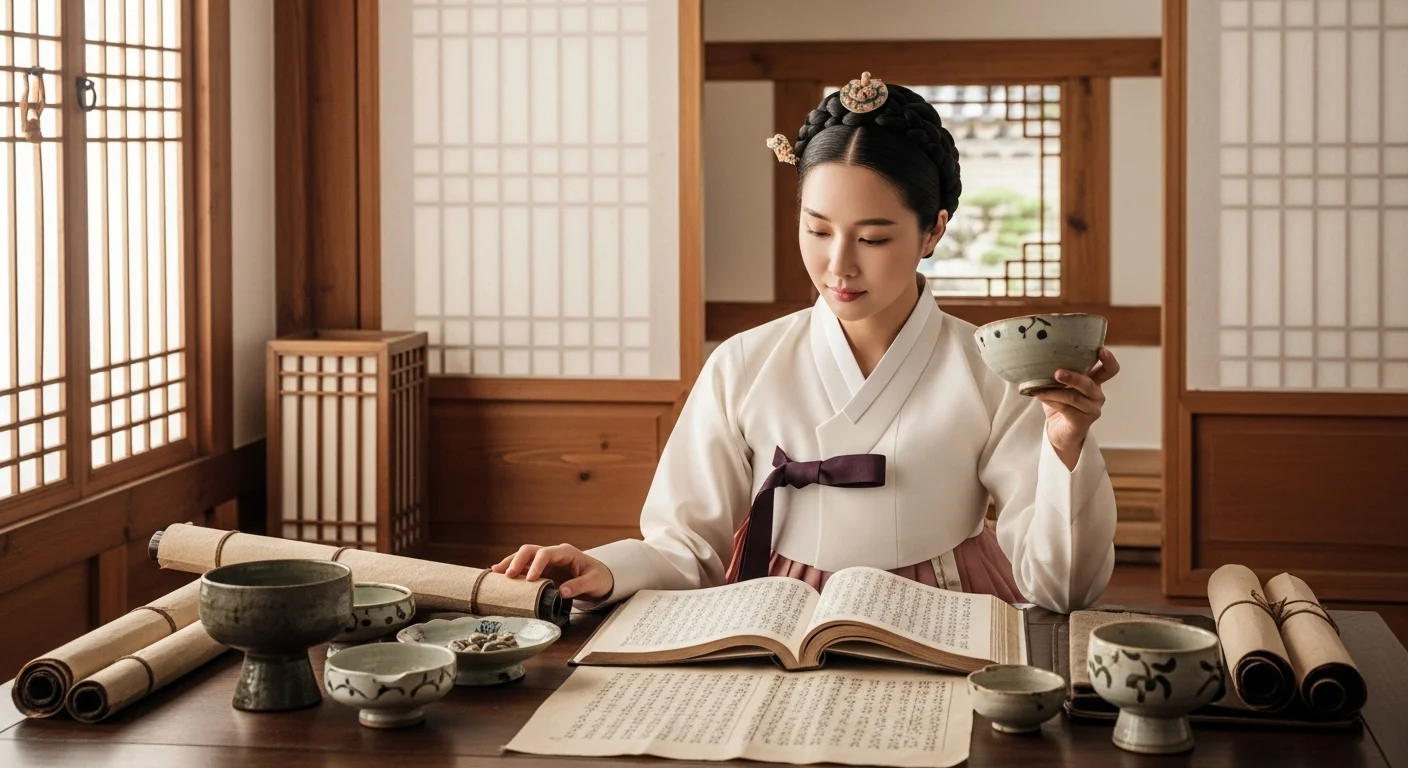
A Korean woman in traditional setting, learning about ancient food history
The story of traditional Korean food begins way back in the Stone Age, when people first started cooking with fire. But things really started to change during the Three Kingdoms period, you know, when rice farming became common. That’s when rice became the main food, and folks started enjoying a wider variety of side dishes, making meal settings much more organized.
Fast forward to the Goryeo Dynasty, and Buddhism played a big role. People ate less meat and focused more on vegetables. This was a time when important recipes like Kimchi and fermented pastes (like Doenjang) really took root. Later, after the Mongol rule, new foreign foods came in, adding even more exciting flavors and cooking styles to the mix.
Key Historical Milestones 📝
- Stone Age: First use of fire for cooking.
- Three Kingdoms: Rice becomes staple, diverse side dishes.
- Goryeo Dynasty: Vegetarian focus, Kimchi and Jang (fermented pastes) recipes established.
- Joseon Dynasty: Culinary culture systematized, gochujang (chili paste) introduced in 17th century, transforming Kimchi.
During the Joseon Dynasty, Korean cuisine really got organized. Old cookbooks were created, and the “bansang” table setting culture became well-established, with multiple small dishes served at once. And get this, the introduction of chili peppers in the 17th century completely changed Kimchi, making it spicy and improving its preservation! For a deeper dive into the fascinating history of Korean food, you can check out the Encyclopedia of Korean Culture.
Kimchi: Korea’s Iconic Fermented Delight
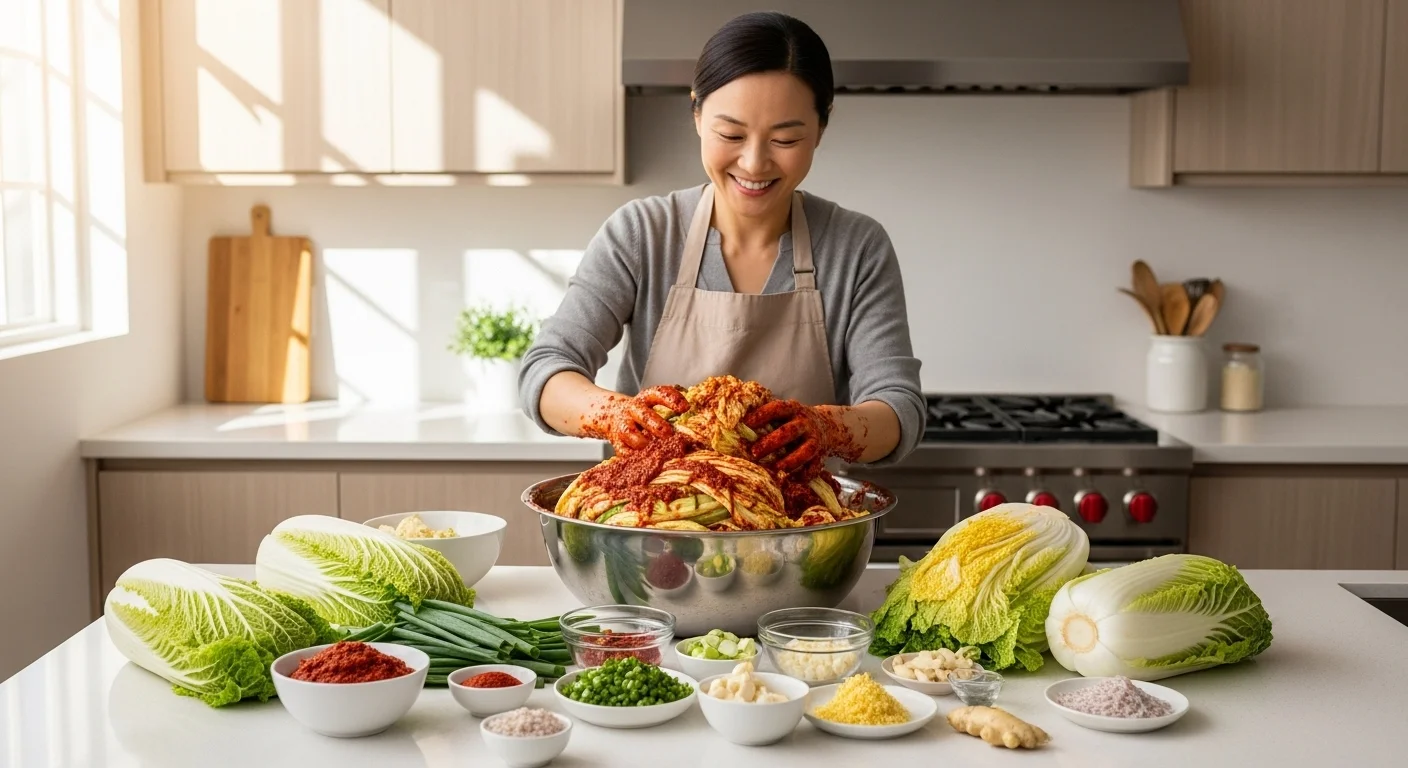
A Korean woman preparing kimchi with fresh ingredients
When we talk about traditional Korean food, Kimchi is probably the first thing that comes to mind, right? It’s not just a side dish; it’s a staple! Kimchi has been around since the Goryeo Dynasty, evolving with ingredients like garlic, ginger, and salted seafood (젓갈, jeotgal) that gave it its distinct flavor.
But the Kimchi we know and love today, the spicy red kind, really took off after chili peppers were introduced in the 17th century during the Joseon era. This changed everything, giving Kimchi its vibrant color, incredible flavor, and even better preservation qualities. It’s truly a marvel of fermentation!
Making Kimchi might seem daunting, but it’s totally doable! The key is in properly salting the cabbage and then mixing it with a delicious spice paste. You can adjust the spiciness to your liking by changing the amount of chili powder.
If you’re curious about the general culture and history of Korean food, including Kimchi, the Korean Food Promotion Institute has a lot of great information. It’s an excellent resource for learning more about our culinary heritage.
Beyond Kimchi: Doenjang and Bulgogi’s Rich Heritage
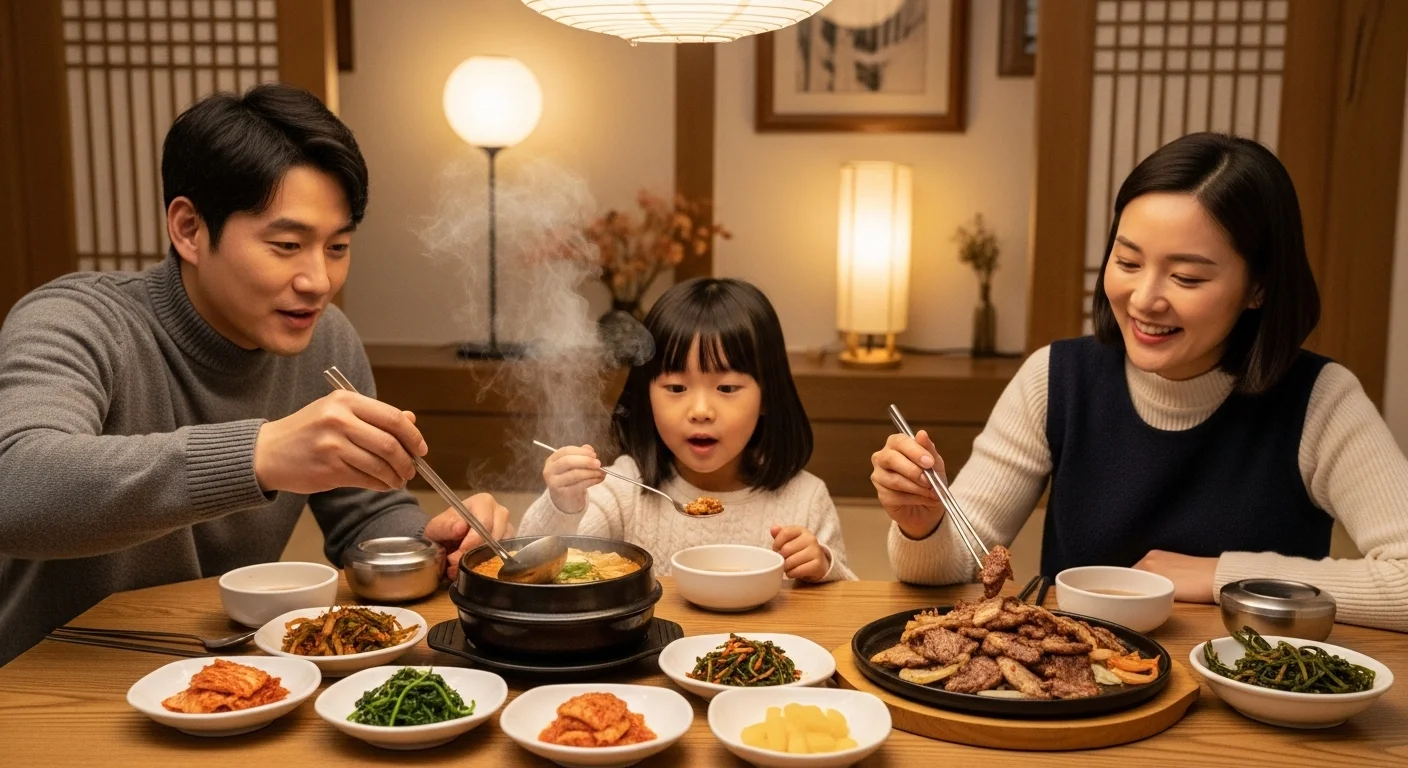
A Korean family enjoying a meal with Doenjang Jjigae and Bulgogi
While Kimchi gets a lot of the spotlight, other traditional Korean food items like Doenjang (fermented soybean paste) and Bulgogi have equally rich histories. Doenjang, for instance, has been a fundamental food since the Three Kingdoms period. It played a crucial role in establishing fermented foods during the Goryeo Dynasty and became systematized in Joseon.
Then there’s Bulgogi, a classic Korean meat dish. It actually started as “maekjeok” during the Three Kingdoms period, which was just meat grilled over charcoal without much seasoning. Over time, in the Joseon Dynasty, it evolved into the marinated, thinly sliced meat we know today, often seasoned with soy sauce, garlic, sesame oil, and sugar. It became a fancy dish for banquets and entertaining guests in noble households.
Quick Recipe Highlights 📝
- Doenjang Jjigae: A savory stew with Doenjang as its base, often including beef brisket, potatoes, onions, tofu, and zucchini. Just simmer for about 20 minutes!
- Bulgogi: Marinate thinly sliced beef (like sirloin or chuck) with a mix of soy sauce, sugar, garlic, ginger, sesame oil, pepper, and pear juice. Add some sliced onions, carrots, and green onions. Pan-fry after marinating for 30 minutes to an hour.
Both Doenjang and Bulgogi show how Korean food has continuously adapted and refined its flavors over thousands of years, offering both deep, umami-rich broths and deliciously sweet and savory grilled meats. You can find many easy-to-follow recipes for foreigners, including Bulgogi, on blogs like Mycheez Tistory Blog.
Bibimbap and Japchae: Festive Mixes and Noodles
Moving on to some other fantastic dishes, Bibimbap and Japchae are definitely worth talking about! Bibimbap, which literally means “mixed rice,” became popular during the Joseon Dynasty as the “bansang” table culture evolved. It’s essentially a bowl of warm white rice topped with various seasoned vegetables (namul), beef, a fried egg, and a dollop of gochujang. It’s truly a beautiful and balanced meal!
Then there’s Japchae, a colorful and delicious dish made from glass noodles (dangmyeon) stir-fried with vegetables and meat. This dish also has its roots in the Joseon Dynasty, evolving from a high-class traditional dish to a beloved festive food today. Modern recipes often incorporate beef marinated in Bulgogi sauce, adding an extra layer of flavor.
Making Bibimbap and Japchae at Home 📝
| Dish | Key Ingredients | Simple Steps |
|---|---|---|
| Bibimbap | Rice, seasoned beef, spinach, bean sprouts, carrots, zucchini, fried egg, gochujang. | Prepare toppings, arrange over rice, add gochujang, mix well. |
| Japchae | Glass noodles, beef, spinach, carrots, onions, shiitake mushrooms, soy sauce, sugar, sesame oil. | Soak and blanch noodles, stir-fry ingredients separately, mix all with seasoning. |
Both Bibimbap and Japchae are fantastic examples of how traditional Korean food combines various ingredients into harmonious and flavorful dishes, perfect for any gathering or even a simple home meal. If you’re looking for more traditional Korean food recipes, including these, a great place to start is Pingoli’s Tistory Blog, which shares a variety of traditional to fusion recipes.
Samgyetang: The Ultimate Summer Comfort Food
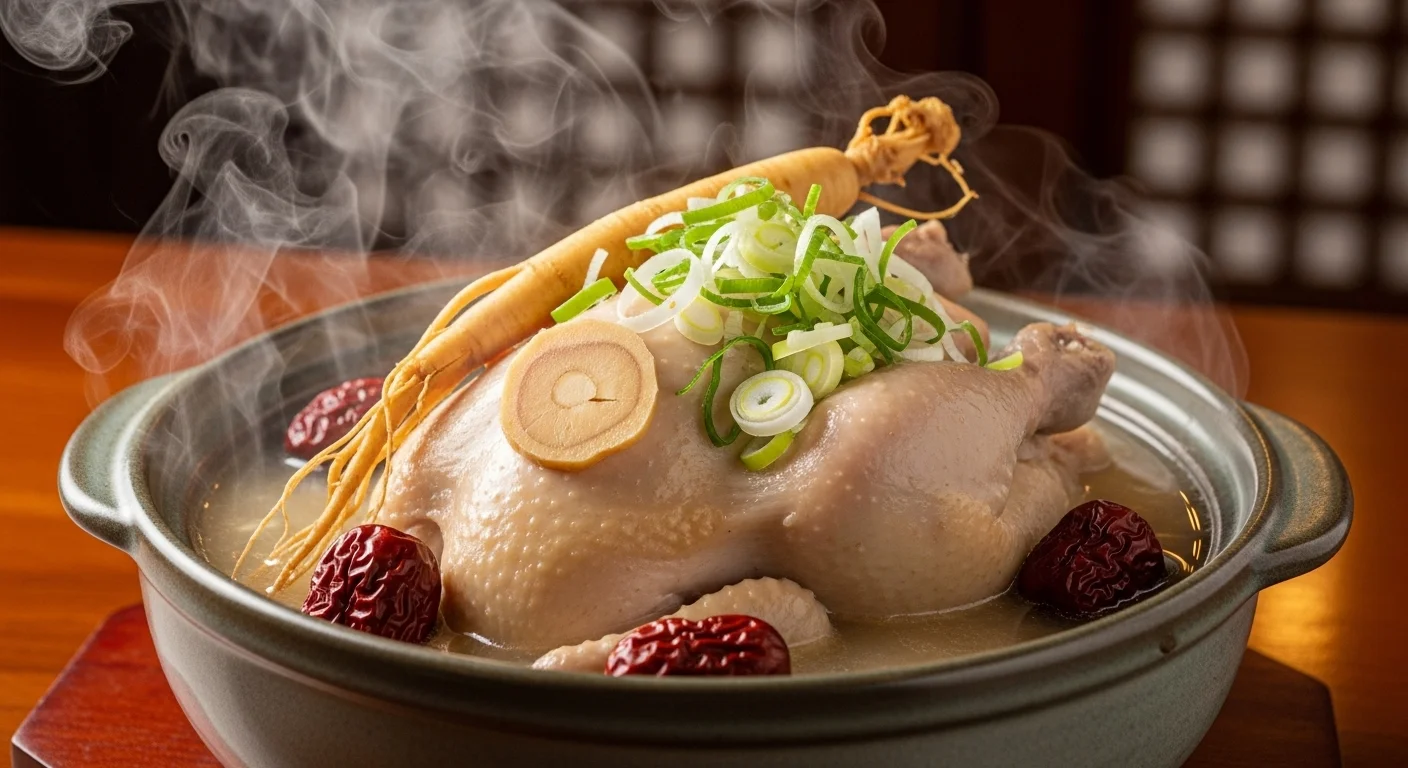
A steaming bowl of Samgyetang with ginseng and jujubes
Now, let’s talk about a dish that’s incredibly popular during the hot summer months in Korea: Samgyetang! This isn’t just a meal; it’s a nutritious energy booster. Its origins can be linked to the development of grain-based specialty foods in the Goryeo Dynasty, but it truly became known as a restorative dish during the Joseon era, when medicinal herbs like ginseng were added.
Samgyetang is basically a whole young chicken stuffed with glutinous rice, jujubes, garlic, ginger, and ginseng, then slow-cooked in a clear, flavorful broth. It’s believed to replenish energy and strength, especially when you need it most. It’s like a warm hug in a bowl, even on the hottest days!
Samgyetang is packed with ingredients known for their health benefits. Ginseng is famous for boosting immunity, and chicken provides essential protein. It’s a perfect dish to nourish your body and soul.
Making Samgyetang at home is simpler than you might think. You just need a young chicken and the right stuffing ingredients. Simmer it for about an hour, season with salt and pepper, and you’ve got a delicious and healthy meal. It’s one of those traditional Korean food dishes that truly embodies comfort and care.
Pajeon and Other Korean Home Favorites
Finally, let’s not forget about Pajeon, the savory Korean pancake! Pajeon, especially the seafood variety (Haemul Pajeon), evolved as a local specialty during the Joseon Dynasty and has since become a beloved comfort food, often enjoyed with stews like Kimchi Jjigae at home. It’s super satisfying, especially on a rainy day!
The beauty of Pajeon is its versatility. You can make it with just green onions, or add shrimp, squid, or other seafood for a richer flavor. It’s crispy on the outside, soft on the inside, and perfect when dipped in a soy sauce-based dipping sauce. And as for Kimchi Jjigae, it’s a hearty, spicy, and tangy stew made with fermented Kimchi, pork, and tofu – a true representation of Korean home cooking.
Simple Pajeon Recipe 📝
- Make the batter: Mix 1 cup of pancake mix with 3/4 cup water and 1 egg.
- Add ingredients: Roughly chop 5-6 green onions and add to the batter with 100g of shrimp and squid.
- Cook: Heat oil in a pan, pour batter, and cook until golden brown on both sides. Serve with a soy sauce dipping sauce.
These dishes, like Pajeon and Kimchi Jjigae, really show the warmth and heart of traditional Korean food. They’re simple yet incredibly flavorful, making them perfect for everyday meals or sharing with loved ones. It’s all about enjoying good food and good company!
📚 Related Articles
Well, we’ve taken quite a journey through the delicious world of traditional Korean food, haven’t we? From its ancient origins to iconic dishes like Kimchi, Doenjang, Bulgogi, Bibimbap, Japchae, Samgyetang, and Pajeon, it’s clear that Korean cuisine is incredibly rich in history and flavor. Each dish tells a story, reflecting centuries of culinary evolution and cultural significance.
I hope this article gave you a good taste of what traditional Korean food is all about and maybe even inspired you to try making some of these amazing dishes yourself! Remember, cooking is a fantastic way to experience a culture. If you have any more questions or want to share your favorite Korean dish, feel free to leave a comment below. Happy cooking!