

📋 Table of Contents
- 1.Busan’s Soul Food: Hearty Pork Soup Rice (돼지국밥)
- 2.A Refreshing Taste of Summer: Milmyeon (밀면)
- 3.From Survival Food to Delicacy: Grilled Sea Eel (곰장어 구이)
- 4.A Unique Harmony of Flavors: Cold Pig’s Trotters (냉채 족발)
- 5.More Than Just a Pancake: Dongnae Pajeon (동래 파전)
- 6.Sweet and Savory Street Treat: Seed Hotteok (씨앗 호떡)
- 7.Busan’s Iconic Fish Cakes: Eomuk (부산 어묵) and Gami Scallops (갈미조개)
Hey everyone! If you’re planning a trip to Busan, South Korea, or just curious about its amazing food scene, you’re in for a treat. I mean, who doesn’t love exploring a new city through its food, right?
Busan is famous not just for its beautiful beaches and vibrant culture, but also for its incredibly unique and delicious local dishes. Trust me, it’s a food lover’s paradise!
I know it can sometimes feel a bit overwhelming trying to figure out what to eat when there are so many options. But don’t worry, I’ve got you covered. From hearty soups that warm you up to refreshing noodles perfect for summer, and even some irresistible street snacks – Busan has it all.
So, let’s dive into the must-try local foods that make Busan a truly special culinary destination. You won’t want to miss these!
Busan’s Soul Food: Hearty Pork Soup Rice (돼지국밥)
When you think of Busan food, Pork Soup Rice (Dwaeji Gukbap) is probably one of the first things that comes to mind. And for good reason! It’s truly Busan’s signature dish, a warm embrace in a bowl.
This isn’t just any soup; it’s a rich, flavorful broth made by simmering pork bones for hours until it turns a milky white. Then, generous slices of tender pork and rice are added, creating a wonderfully comforting and filling meal. It’s perfect for any time of day, but especially on a chilly evening, you know?
How to Enjoy Dwaeji Gukbap 📝
- Choose Your Style: You can pick different variations like Naejang Gukbap (내장국밥, with offal), Meori Gukbap (머리국밥, with pork head meat), or Sundae Gukbap (순대국밥, with Korean blood sausage).
- Season to Taste: It usually comes with various condiments like salted shrimp (saeujeot) and spicy seasoning paste (dajim yangnyeom). Add them little by little to get your perfect flavor.
- Mix and Enjoy: Some people like to mix the rice directly into the soup, while others prefer to eat it separately. There’s no wrong way!
This dish isn’t just popular; it’s deeply rooted in Busan’s history as a local specialty, even recognized in Busan Metropolitan City’s “Local Foods of Busan” in 2009. It really embodies the city’s hearty spirit. If you’re looking for a meal that truly fills you up and warms your soul, this is it! You can learn more about 부산 (Busan) local dishes from Triple Guide.
A Refreshing Taste of Summer: Milmyeon (밀면)
After a hearty Dwaeji Gukbap, how about something to cool you down? Milmyeon (밀면) is another incredible Busan specialty that’s especially popular during the hot summer months. It’s like a breath of fresh air on a warm day, you know?
Milmyeon features soft, chewy wheat noodles served in a wonderfully chilled broth. The texture of the noodles combined with the refreshing, sometimes slightly tangy broth is just perfect. It’s definitely one of Busan’s proudest culinary achievements, and I bet you’ll love it!
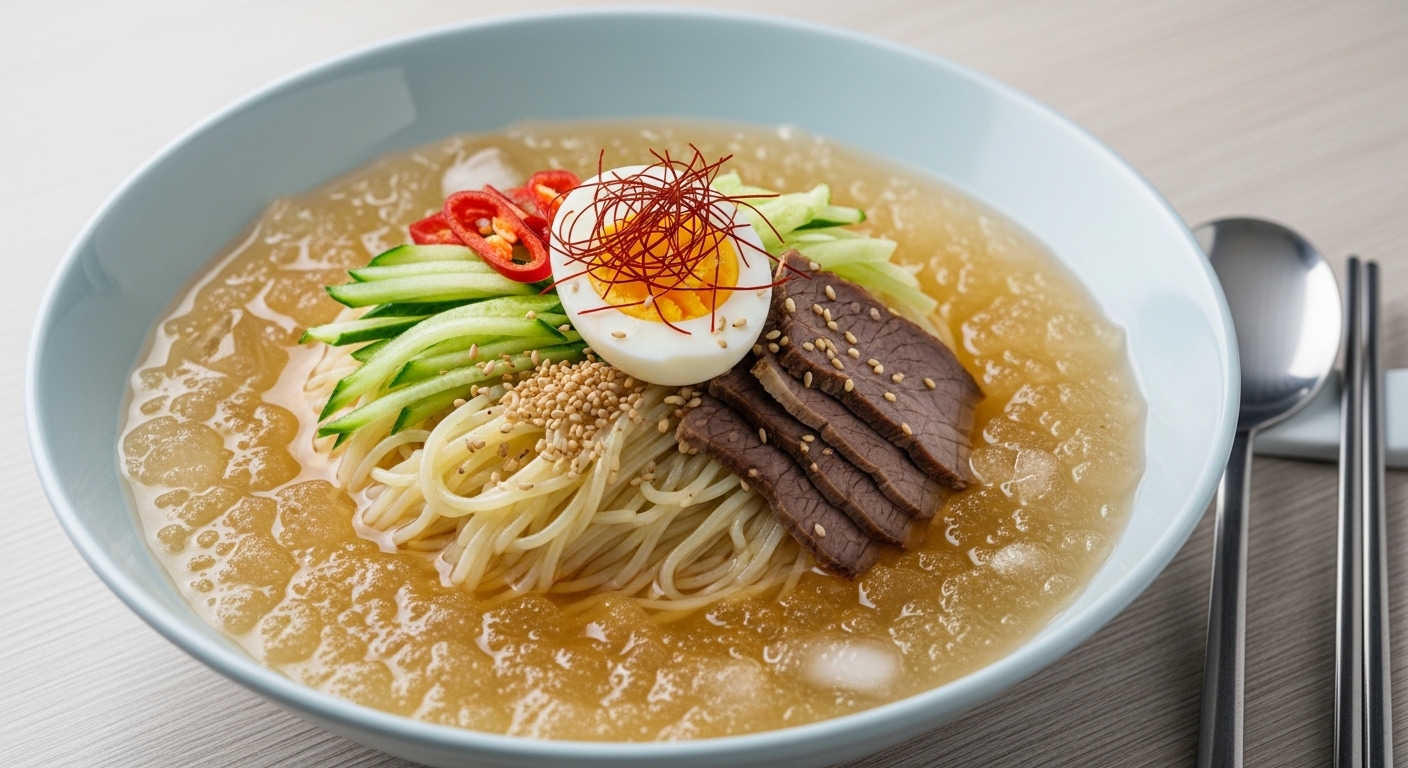
A bowl of refreshing Milmyeon, perfect for summer.
| Feature | Milmyeon (밀면) | Naengmyeon (냉면) |
|---|---|---|
| Main Ingredient | Wheat Flour Noodles | Buckwheat Noodles |
| Broth | Often meat-based, slightly savory | Beef or dongchimi (radish kimchi) based, clear |
| Texture | Soft and chewy | Chewy and sometimes a bit tougher |
Many Busan locals and tourists alike consider Milmyeon a must-try, especially when the weather gets warm. It’s often enjoyed with a side of steamed mandu (dumplings) too. It’s truly a perfect balance of flavors and textures that you’ll just have to experience for yourself!
From Survival Food to Delicacy: Grilled Sea Eel (곰장어 구이)
Now, let’s talk about something truly unique: Gomjangeo Gui (곰장어 구이), or Grilled Sea Eel. You might know it as hagfish or sea lamprey. This dish has a fascinating history, actually!
During the Korean War, many refugees in Busan started eating sea eel out of necessity, to survive the hunger. But over time, it transformed into a beloved delicacy. Grilled over charcoal or straw fire, it boasts a wonderfully chewy texture and a clean, savory taste that’s just irresistible.
If you’re trying Gomjangeo for the first time, I recommend the spicy seasoned grilled version (양념구이)! The sauce adds a fantastic flavor that makes it easier to enjoy. And don’t forget the fried rice at the end – it’s a must!
You can find famous Gomjangeo restaurants in areas like Haeundae and Nampo-dong, some of which have been around for generations. It’s even listed in the “Local Foods of Busan,” showing just how important it is to the city’s culinary heritage. It’s a definite adventure for your taste buds!
A Unique Harmony of Flavors: Cold Pig’s Trotters (냉채 족발)
Next up, we have Naengchae Jokbal (냉채 족발), or Cold Pig’s Trotters. This is a dish that really highlights Busan’s creative approach to food. It’s not your typical pork trotters, you know?
Imagine thinly sliced, tender pig’s trotters, topped with refreshing jellyfish, crunchy cucumbers, and carrots. Then, it’s all drenched in a zesty, savory, and slightly spicy mustard sauce. The combination of chewy jokbal, crunchy vegetables, and the distinct kick of the mustard sauce is just incredible!
The Perfect Combination 📝
- Jokbal: Thinly sliced and tender, providing a rich, savory base.
- Jellyfish & Vegetables: Adds a delightful crunch and refreshing contrast.
- Mustard Sauce: The star! It brings a unique spicy, tangy, and sweet flavor that ties everything together.
You’ll find many restaurants specializing in Naengchae Jokbal clustered in Busan’s Bupyeong Jokbal Alley. It’s a fantastic place to wander around and find the “original” or your favorite spot for this unique dish. It’s a great way to experience a different side of Korean cuisine!
More Than Just a Pancake: Dongnae Pajeon (동래 파전)
When it comes to Korean pancakes, or Pajeon, you might think of a crispy, savory treat. But Busan’s Dongnae Pajeon (동래 파전) is delightfully different. It’s a true local delicacy from Dongnae District, offering a unique texture and flavor profile.
Unlike other pajeon, Dongnae Pajeon isn’t about crispiness. Instead, it’s known for its incredibly soft and moist texture. It’s made by layering green onions with a generous amount of seafood like octopus, oysters, and shrimp, then pan-fried with a special batter of wheat and glutinous rice flour. Finally, an egg wash is added, and it’s covered to cook through, making it wonderfully tender.
| Aspect | Dongnae Pajeon | General Pajeon |
|---|---|---|
| Texture | Soft and moist | Crispy edges, often thinner |
| Dipping Sauce | Often served with chojang (vinegared gochujang) | Soy sauce with vinegar and chili flakes |
| Key Ingredients | Green onions, abundant seafood, egg | Green onions, various seafood/meat, less egg |
What’s also interesting is that it’s traditionally dipped in chojang (a sweet and spicy gochujang-based sauce) rather than soy sauce. It’s a designated local food and a proud part of Busan’s culinary landscape. Trust me, it’s a delightful experience that truly stands out from other Korean pancakes!
Sweet and Savory Street Treat: Seed Hotteok (씨앗 호떡)
Let’s move on to a street snack that took the nation by storm: Ssiat Hotteok (씨앗 호떡), or Seed Hotteok. This delicious treat originated right on the streets of Nampo-dong in Busan, and it’s something you absolutely have to try!
Imagine a hot, crispy pancake, deep-fried until golden. But here’s the best part: it’s cut open, and then generously stuffed with a fantastic mixture of seeds like sesame seeds, peanuts, and sunflower seeds. The crunchiness of the seeds combined with the sweet and savory dough is just incredible!
How Ssiat Hotteok is Made 📝
- Dough Preparation: A sweet yeasted dough is prepared, often with a sugary filling inside.
- Deep Frying: The hotteok is pan-fried in plenty of oil until it’s perfectly crispy and golden brown.
- Stuffing with Seeds: While hot, it’s cut open on one side, and a generous spoonful of mixed seeds (sesame, peanuts, sunflower, pumpkin seeds) is packed inside.
- Enjoy Hot: It’s served immediately, piping hot and incredibly delicious!
The combination of the warm, chewy pancake and the crunchy, nutty seeds is truly special. It’s become so famous that you can find it all over Korea now, but nothing beats trying it right where it started, in Busan! It’s the perfect snack for exploring the bustling streets.
Busan’s Iconic Fish Cakes: Eomuk (부산 어묵) and Gami Scallops (갈미조개)
Busan, being a major port city, naturally excels in seafood. Beyond the main meals, there are two more iconic Busan local foods that truly represent its coastal identity: Eomuk (어묵) and Gami Scallops (갈미조개).
First, let’s talk about Busan Eomuk. While fish cakes originally came from Japan during the colonial period, Busan developed its own distinct taste and varieties. Made with a high content of fresh fish paste, mixed with vegetables and other seafood, Busan Eomuk is known for its savory and clean flavor. Brands like Samjin Eomuk are famous, and you’ll find countless stalls selling them at Jagalchi Market and other bustling areas. It’s a versatile snack, often enjoyed in hot soup or as a side dish!
Then there are Gami Scallops. These unique scallops, sometimes called ‘Myeongji Scallops,’ are found specifically around the Myeongji area of the Nakdong River estuary. They get their name because their flesh resembles a seagull’s beak (galmae-gi). They’re prized for their incredibly chewy texture and sweet taste. You can enjoy them raw, or grilled with pork belly or duck meat, which sounds amazing, right? Their peak season is from November to May, with January to March being the best before they spawn. They’re rich in protein and vitamins, making them a delicious and healthy choice! You can find more about Busan’s seafood on Triple Guide’s seafood article.
Busan Seafood Delights 📝
- Busan Eomuk: High fish content, versatile, savory. Perfect as a quick snack or in soups.
- Gami Scallops: Unique to Myeongji, chewy and sweet. Best enjoyed raw or grilled with meat during winter and spring.
Both Eomuk and Gami Scallops showcase the fresh, high-quality seafood that Busan is famous for. They’re a testament to the city’s rich maritime culture and its continuous evolution of local flavors. Don’t forget to try them!
So there you have it – a delicious tour of Busan’s must-try local foods! From the comforting warmth of Dwaeji Gukbap to the refreshing chill of Milmyeon, the adventurous taste of Gomjangeo Gui, the unique tang of Naengchae Jokbal, the soft delight of Dongnae Pajeon, the sweet crunch of Ssiat Hotteok, and the fresh flavors of Eomuk and Gami Scallops, Busan truly offers a culinary journey like no other.
I hope this guide helps you explore the incredible flavors of Busan. Each dish tells a story, and trying them is the best way to connect with the city’s vibrant culture and history. Which one are you most excited to try first?
If you have any more questions or want to share your own Busan food experiences, feel free to leave a comment below! Happy eating!